◆ Independent · Investigative · Charlotte, NC ◆ No Sponsors. No Soft Questions. ◆ Est. 2026 ◆
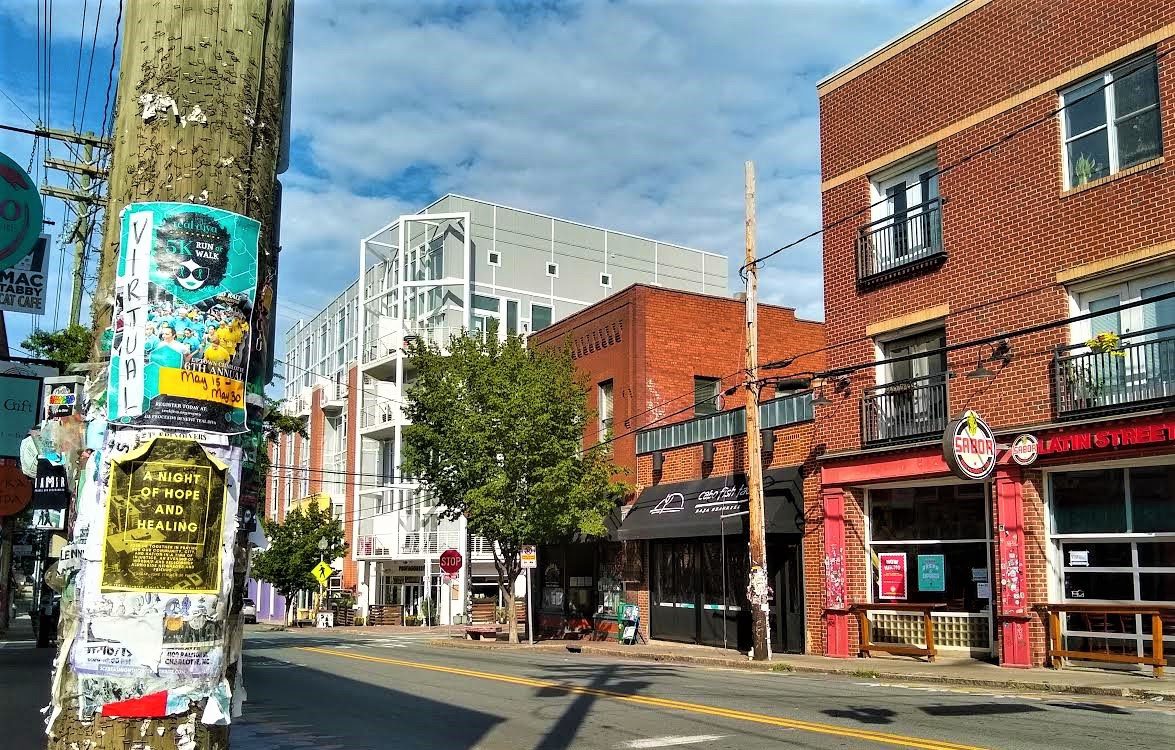
NoDa Used to Be an Arts District. Now It's an Entertainment District With Murals On It.
The artists who built Charlotte's most recognizable neighborhood are being pushed out of it. The city has no plan to stop it.
Olivia Hurst
2026-03-05
Listen to this story
Listen
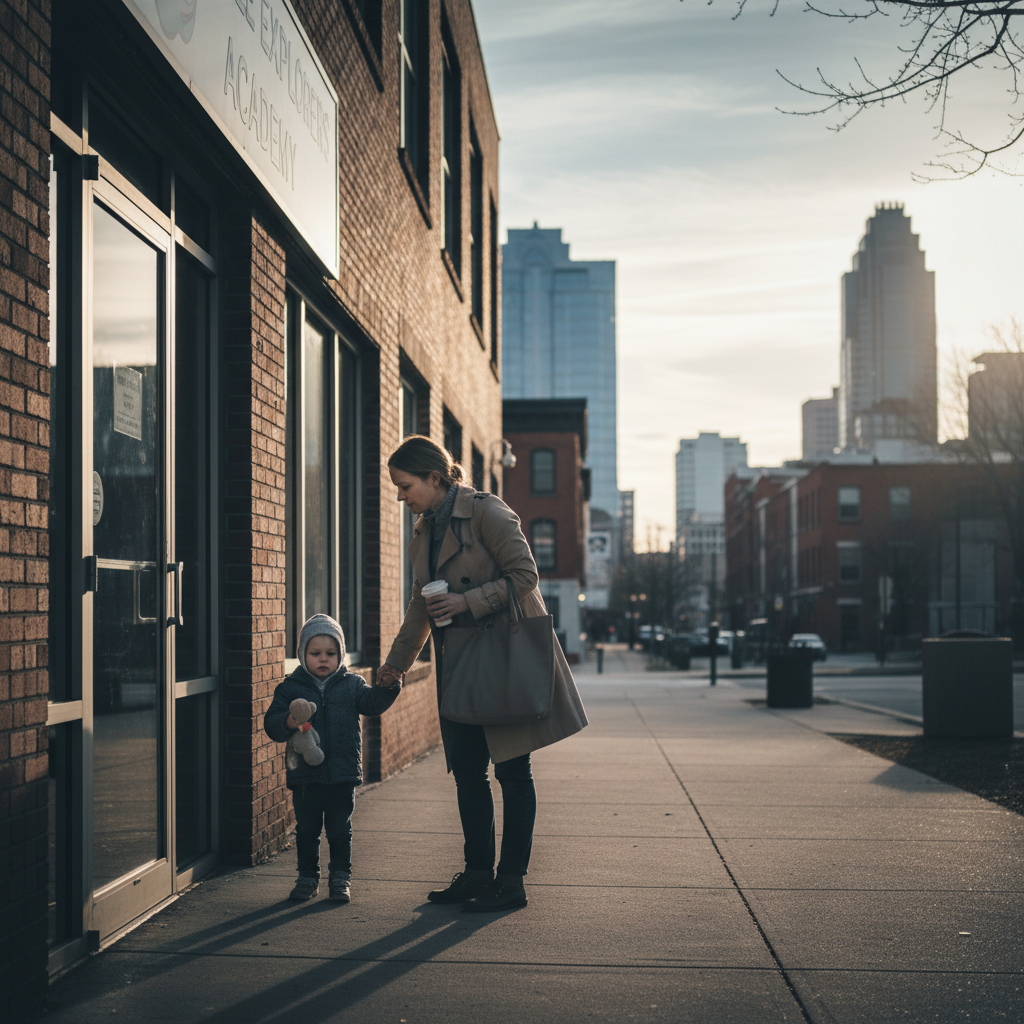
Jerry Kirk has been in NoDa since 1991. He was there for the drum circles that swelled to hundreds of people on North Davidson Street. He was there for the gallery crawls, the cheap mill houses that artists rented for a few hundred dollars, the sense that something genuinely strange and alive was happening in a neighborhood nobody else wanted. He still comes back. But his read on what's there now is unsparing. "It's no longer an art district," Kirk said recently. "It's an entertainment district, and it's too crowded. It's too packed, and it just keeps getting worse." Kirk is not alone in that assessment. The artists who built NoDa's cultural identity are saying out loud what the neighborhood's development trajectory has been showing for years: the vibe stayed, the artists didn't. ##How It Actually Happened It was quiet in NoDa after the textile mills closed in the '70s. By the '90s, cheap rent drew in struggling artists. The arts scene boomed and embraced the historic buildings. It wasn't long before the mainstream caught on and developers followed. The pattern is familiar in cities across the country: artists move into affordable spaces, build cultural energy, attract foot traffic, and get priced out by the development their presence made possible. In NoDa, that cycle is functionally complete. Art curator Matt Alvis ran a gallery on NoDa's main strip until rising rent costs priced him out. His rent more than doubled, reaching around $4,000 a month. Before losing the storefront, Alvis carried work from 100 local artists. He's now down to about a dozen, operating as a pop-up. He didn't give up. He adapted — launching Art Cart NoDa, a delivery service that brings art to customers at bars and restaurants, and using empty storefronts as temporary display windows. But the workaround is the point: the old mill houses and auto shops you could rent for a few hundred dollars and cover with drawings after a few beers are damn near gone. ##Camp North End: The Question Now Across town, a different version of the same story may be starting. In February 2026, Atlanta-based real estate investment manager Jamestown took majority ownership of the property. Jamestown owns Industry City in Brooklyn and Ponce City Market in Atlanta — large adaptive reuse properties that are widely cited as examples of creative placemaking that eventually priced out the communities that made them desirable. Davita and Dion Galloway, co-owners of creative studio DUPP&SWAT, which has been at Camp North End since 2016, said they're nervous. "We've seen the story in Charlotte where artists get displaced," Davita Galloway said, "and we're a little concerned that that might happen at Camp North End." Jamestown president Michael Phillips has said the goal is to amplify and accelerate the original vision of Camp North End, and that the firm "thrives because our tenants thrive — not we thrive at the expense of our tenants." He also said the firm is targeting sit-down restaurants, a grocery store, art galleries and studios, wellness retail, and national brands for open spaces. The tension in that list (local arts alongside national brands) is exactly what artists at the property are watching. ##No Net, No Floor Matt Cosper, artistic director of theater group XOXO, which operates at Camp North End, put the dynamic plainly: "Artists are complicit in it. Like it or not, I think artists find new spaces because we typically can't afford space, so we go where cheap space is available. And we are the heralds of doom. When artists show up in a community, they know that displacement is coming after." He pointed to NoDa as the proof of concept. Meanwhile, in NoDa itself, a group of artists recently formed Charlotte Studio Artists, finding refuge on the Johnston YMCA campus — a short-term contract through October, sharing a building with a preschool. It's a workaround, not a solution. The founders describe studio space for artists as simply "hard to find" in NoDa now. Charlotte has no artist protection ordinance, no studio rent stabilization program, and no dedicated public funding for artist workspace. The city's arts identity (marketed heavily in tourism materials and economic development pitches) rests on a foundation that the city has made no formal commitment to protect. The murals are still there. The artists who painted them, in many cases, are not.
Do you have a studio in NoDa or Camp North End? Hive Wire wants to hear what you're seeing on the ground. Contact us.
Olivia Hurst
Civic reporter focused on local governance, planning processes, and public participation. Charlotte native.
◆ Related Stories
Don't miss a story
The Wire, in your inbox.
Independent Charlotte journalism. No spam. No paywalls.